
 wilson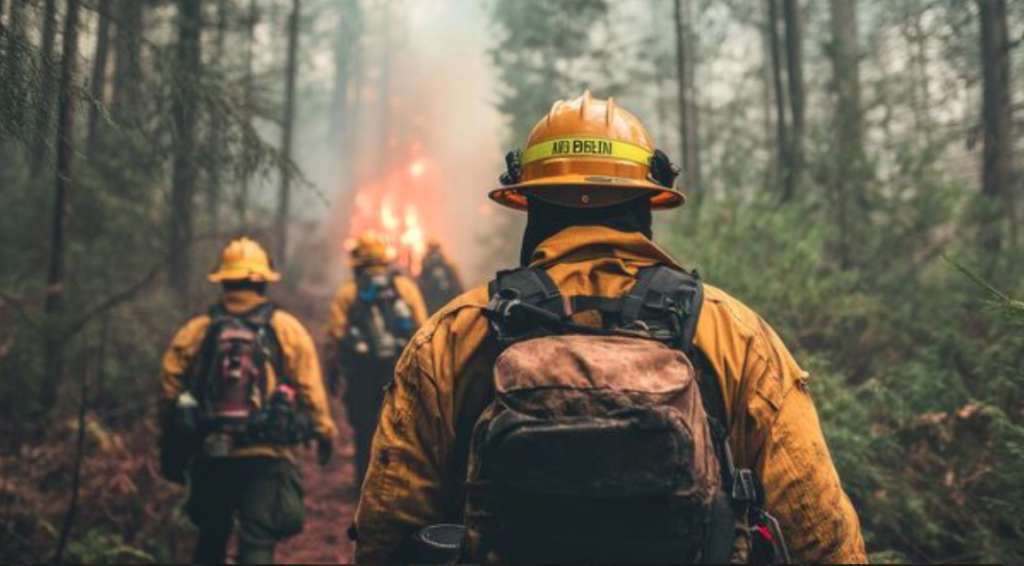
In the realm of wildland firefighting, time is the most valuable resource. When a blaze ignites in a rural or forested area, the difference between a contained incident and a catastrophic wildfire often comes down to the speed of the initial response.
A rapid deployment strategy is the cornerstone of effective suppression, allowing crews to strike while the fire is still manageable.
This proactive approach not only preserves natural landscapes and critical infrastructure but also significantly enhances the safety of both the firefighting teams and the public. Understanding the urgency of early intervention is essential for effective emergency management.
Deploying a Powerful Brush Truck for Immediate Suppression
The success of a rapid response is heavily dependent on the tactical mobility of your resources. A high-performance brush truck is arguably the most critical asset for initial attacks, as it is specifically designed to traverse rugged, off-road terrain that standard engines cannot access.
Because these vehicles carry a self-contained water supply and high-pressure pumping systems, they allow crews to engage a fire within minutes of arrival.
By bridging the gap between road access and the fire front, a reliable brush truck enables teams to halt the forward progress of a blaze before it reaches an uncontrollable size.
Ensuring Crew Readiness With Essential Wildfire Gear
Operational speed is also dictated by the efficiency of your equipment. Every firefighter must be equipped with specialized wildfire gear that provides maximum protection without sacrificing mobility.
When a crew is properly fitted with fire-resistant clothing, ergonomic tools, and reliable safety shelters, they can maneuver through thick brush and challenging landscapes with confidence.
High-quality equipment ensures that when the team reaches the fire, they are not slowed down by gear failures or physical discomfort. Preparedness through standardized, top-tier protective equipment is a fundamental requirement for executing a rapid, high-intensity tactical engagement.
The Mathematical Advantage of Early Containment
Wildland fires exhibit exponential growth based on wind, terrain, and fuel availability. An early intervention allows crews to establish control lines when the flame length and heat intensity are still low.
By arriving quickly, teams can utilize direct suppression tactics, such as digging firelines or deploying water curtains, which are far more effective at the start of an incident.
Once a fire gains momentum and climbs into the canopy, direct tactics often become too dangerous, forcing crews to transition to defensive operations that require significantly more time, personnel, and resources to manage.
Maximizing Coordination and Situational Awareness
Rapid response is not solely about physical speed; it is about the swift coordination of information. When teams arrive on the scene quickly, they can provide immediate intelligence to incident commanders regarding fire behavior and potential threats to human life.
Early situational awareness allows for the effective staging of additional resources, such as air tankers or additional ground crews, before the fire impacts critical areas.
This ability to assess and report early keeps the entire suppression effort organized, preventing the chaos that often accompanies a delayed response to a rapidly escalating wildfire.
Protecting Natural Resources and Community Safety
The societal and environmental impacts of delayed response are profound. Wildfires that burn for extended periods cause massive deforestation, destroy habitats, and pose severe health risks to nearby communities due to smoke inhalation.
Rapid suppression acts as a vital shield, protecting both the ecological integrity of the land and the safety of residential areas.
By prioritizing rapid response, emergency agencies demonstrate a commitment to minimizing the destructive footprint of these events, ensuring that the local landscape remains resilient and communities remain out of the path of danger.