 wilson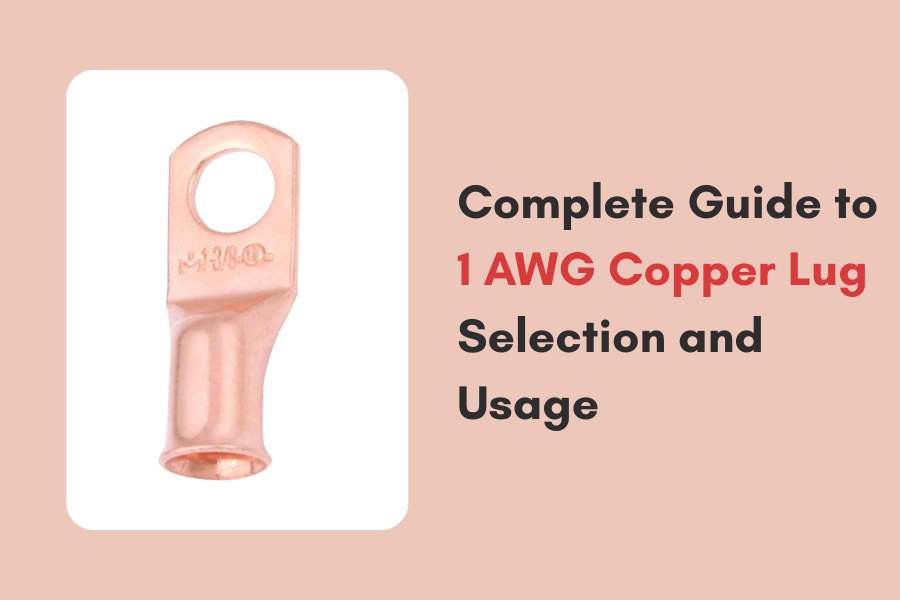
Choosing the right 1 AWG copper lug is essential for creating secure and efficient electrical connections in high-current applications. Whether used in industrial control panels, battery systems, solar installations, or automotive wiring, the correct lug helps maintain conductivity, mechanical strength, and long-term reliability. A 1 AWG copper lug, also referred to as a 1 AWG wire lug, is specifically designed to terminate 1-gauge conductors to electrical terminals, busbars, studs, or equipment connection points.
Because these connectors are used in applications that often carry significant current loads, proper selection and installation directly affect performance and safety. This guide covers the key factors to consider when selecting a lug, along with best practices for usage in real-world electrical systems.
Understanding the Function of a 1 AWG Copper Lug
A 1 AWG copper lug is a metal connector used to attach a 1-gauge copper cable to a fixed connection point. The lug typically consists of two main parts:
- Barrel section: Holds the conductor after crimping
- Palm or ring section: Connects to the terminal stud or bolt
Copper is commonly used because of its high electrical conductivity and low resistance. In many applications, lugs may also feature a tin-plated finish to improve resistance to oxidation and corrosion.
These lugs are widely used where strong electrical continuity and mechanical stability are required.
Factors to Consider Before Selection
Match the Conductor Size
The most important step is ensuring the lug matches the conductor size exactly. A 1 AWG lug is manufactured for 1 American Wire Gauge cable, which has a conductor diameter of approximately 7.35 mm and a cross-sectional area of about 42.4 mm².
Using the correct size ensures:
- Proper crimp compression
- Secure wire retention
- Minimal electrical resistance
- Reduced risk of overheating
A mismatch in size can lead to loose terminations or damaged strands.
Select the Right Stud Hole Size
The ring or palm section of the lug includes a mounting hole that must match the terminal stud or bolt size. Common options include:
- 1/4 inch
- 5/16 inch
- 3/8 inch
Selecting the correct hole diameter ensures stable fastening and proper surface contact.
Consider the Installation Environment
Environmental conditions influence the type of lug required.
For example:
- Indoor dry installations: Standard copper lug may be sufficient
- Outdoor or humid conditions: Tinned copper lug is preferred
- Marine and battery applications: Corrosion-resistant finish is recommended
Tin plating helps protect the copper surface from oxidation, which is important in moisture-prone environments.
Proper Installation Practices
Correct installation is essential to ensure both electrical and mechanical performance.
Cable Preparation
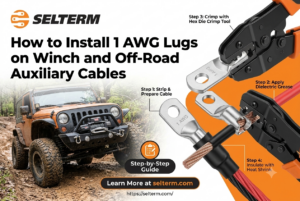
Strip the insulation carefully to match the barrel depth. Avoid nicking or cutting conductor strands, as damaged strands can reduce current-carrying capacity.
The stripped conductor should fit fully inside the barrel with no excess copper exposed.
Crimping Technique
For a 1 AWG wire lug, a hydraulic or heavy-duty crimping tool is generally recommended. The crimp must apply uniform pressure across the barrel to create a solid compression joint.
A properly crimped lug should:
- Firmly hold the conductor
- Prevent pull-out
- Minimize resistance at the connection point
Poor crimping can result in voltage drop and localized heating.
Surface Contact and Tightening
Before mounting the lug, clean the contact surface to remove dirt, rust, or oxidation. Good surface contact improves conductivity and helps maintain a low-resistance connection.
Tighten the bolt or stud connection according to the equipment’s recommended torque specifications.
Common Applications
A 1 AWG copper lug is commonly used in:
- Battery cable connections
- Solar inverter wiring
- Industrial control systems
- Grounding conductors
- Automotive power distribution
- UPS and backup power systems
These applications often involve high current flow, making correct lug selection especially important.
Conclusion
Selecting the right 1 AWG copper lug requires careful attention to conductor compatibility, stud size, environmental conditions, and installation method. When properly chosen and installed, it provides a safe, durable, and efficient electrical connection for demanding applications. By following correct selection and crimping practices, a 1 AWG wire lug can deliver reliable performance across a wide range of electrical systems.